Deep Work Protocol: 4 Hours That Produce More Than Your Entire Week
Most people confuse being busy with being productive. They spend 10 hours switching between Slack, email, Twitter, and their actual work — and then wonder why they accomplished nothing meaningful. Here's the truth they can't face: those 10 hours of distracted activity produced less than 4 hours of focused execution would have. The modern workplace is designed to destroy deep work. Your phone buzzes. Your inbox dings. Someone sends you a Slack that could have been an email that could have been nothing. And you respond to all of it because responding feels like progress. It's not. It's performance art.
Deep work is the ability to focus without distraction on a cognitively demanding task. It's the skill that separates the top 5% of producers from everyone else. And unlike talent or genetics, it's a skill you can build. The protocol is simple. The execution is hard. That's why most people never do it.
The 4-Hour Block: How to Structure Your Deepest Work
Here's the protocol: block 4 consecutive hours. No meetings. No phone. No social media. No Slack. No email. Nothing except the single most important task you need to accomplish that day. The first hour is warmup — your brain is still shifting gears from reactive mode to focused mode. That's fine. Don't fight it. Just keep working. The second hour is where you hit flow state. The third hour is where you produce your best work. The fourth hour is where you polish it.
Most guys never get past the first hour because they can't tolerate the discomfort of not checking their phone. That discomfort is not a problem to solve. It's a signal that you're doing it right. The urge to check notifications is literally an addiction response. Each time you resist it, you strengthen your focus muscle. Each time you give in, you reinforce the distraction habit. Your attention is the most valuable asset you own. Stop giving it away for free to every app that wants a piece of it.
The timing matters. For most people, the best deep work window is the first 4 hours after waking. Your circadian cortisol peak happens roughly 30-60 minutes after you wake up, and cognitive performance follows. If you waste your morning on email and meetings, you've burned your highest-value hours on your lowest-value tasks. That's not time management. That's time destruction.
The Environment Hack: Design a Space Where Focus Is Inevitable
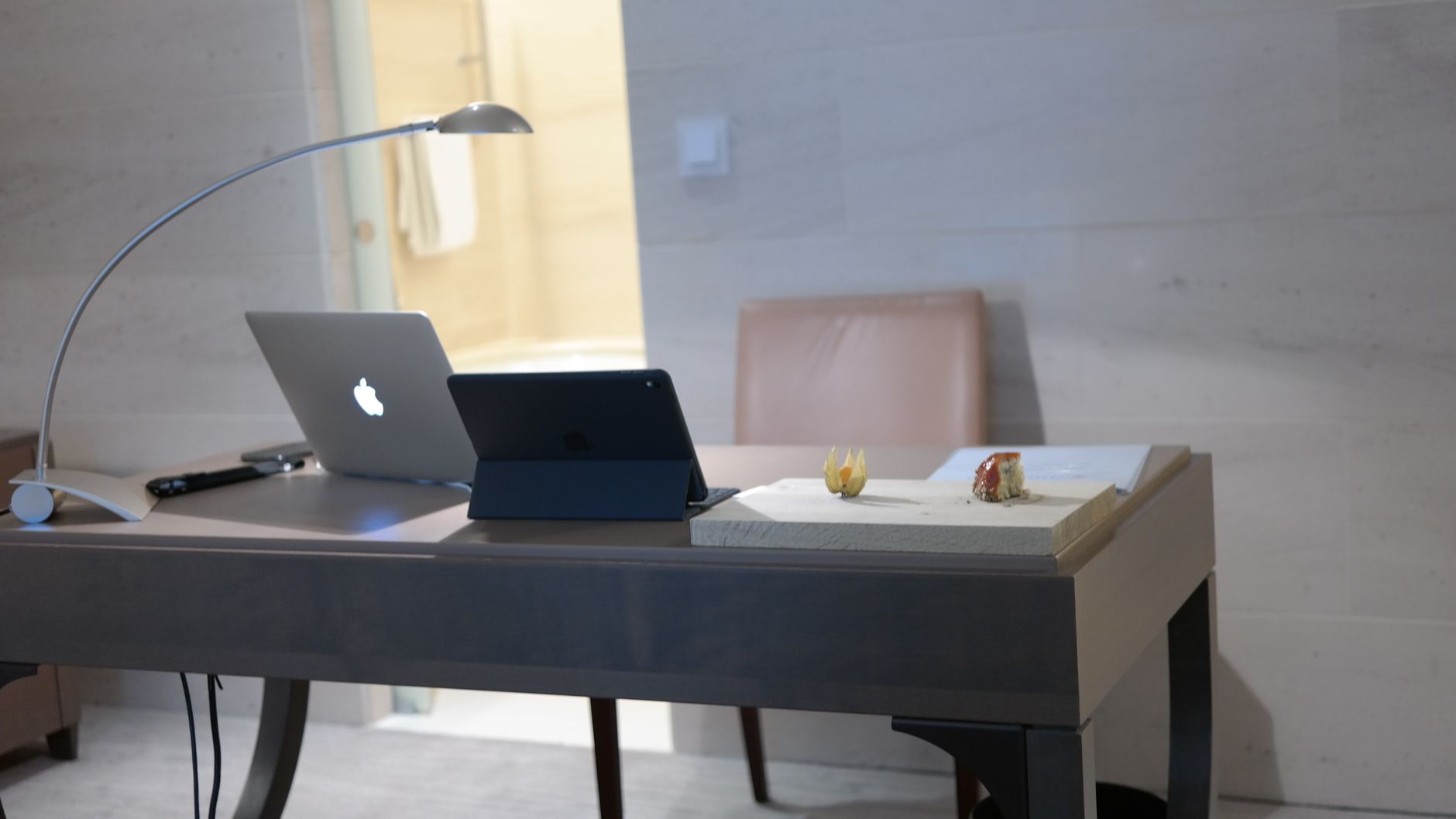
Willpower is a depletable resource. Stop relying on it. Instead, design your environment so that focus is the path of least resistance. Phone in another room. Browser tabs closed except the one you need. Notifications off — not silenced, off. If you work from home, have a dedicated workspace that you only use for deep work. Your brain will start associating that space with focus and the transition will get faster every time.
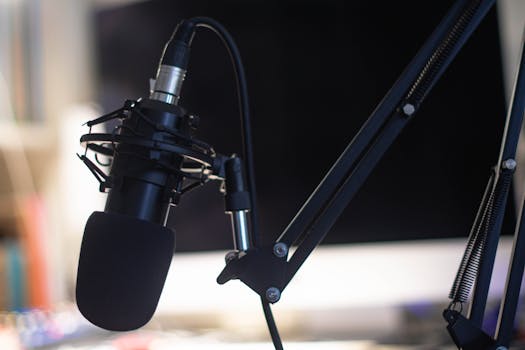
Sound matters more than most people realize. Either complete silence or consistent ambient noise. Not music with lyrics — that activates the language centers and competes with whatever you're trying to think about. Rain sounds, white noise, or nothing at all. If you need background noise, pick one track and use it every single session. Your brain will eventually associate that specific sound with deep focus, and you'll drop into flow faster.
Temperature matters too. Slightly cool — around 68°F or 20°C — keeps you alert. Too warm and your brain wants to shut down. Too cold and you're distracted by discomfort. This isn't comfort optimization. It's performance optimization. Every environmental variable that you control removes one more excuse your brain has to check out.
The Shutdown Ritual: Why Stopping Is as Important as Starting
Here's the part nobody talks about: how you end your deep work session determines whether your next one will work. Most guys finish a work session by slowly winding down — checking one more email, glancing at one more Slack message, and gradually letting distraction creep back in. That's not a clean shutdown. That's contamination. Your brain doesn't distinguish between "just checking" and "working." You've just spent the last 30 minutes of your session doing shallow work and your brain has already shifted modes.
The shutdown ritual is simple: review what you accomplished, write down the first step for tomorrow, and close everything. That's it. The review gives your brain closure. The written next step eliminates decision fatigue when you sit down the next day. The closing of tabs and apps creates a physical boundary between work and not-work. Without that boundary, your brain stays in a low-level work state all evening, which destroys your recovery, which destroys your next day's deep work capacity.
This is the cycle most high performers miss. Deep work requires deep recovery. You cannot do 4 hours of intense focus and then spend the evening doom-scrolling. Your brain needs genuine downtime — walking, reading, socializing, exercising — to consolidate what you learned and recharge for the next session. The guys who burn out aren't the ones working too hard. They're the ones recovering too little.
Start tomorrow. Block 4 hours. Phone off. Door closed. One task. No exceptions. After a week of this protocol, you'll look back at your previous output and wonder where all that wasted time went. It went into the same place it always goes — into the gap between being busy and being effective. Close that gap and you'll outproduce everyone you know.