Why Every Trader Should Go Decentralized in 2026
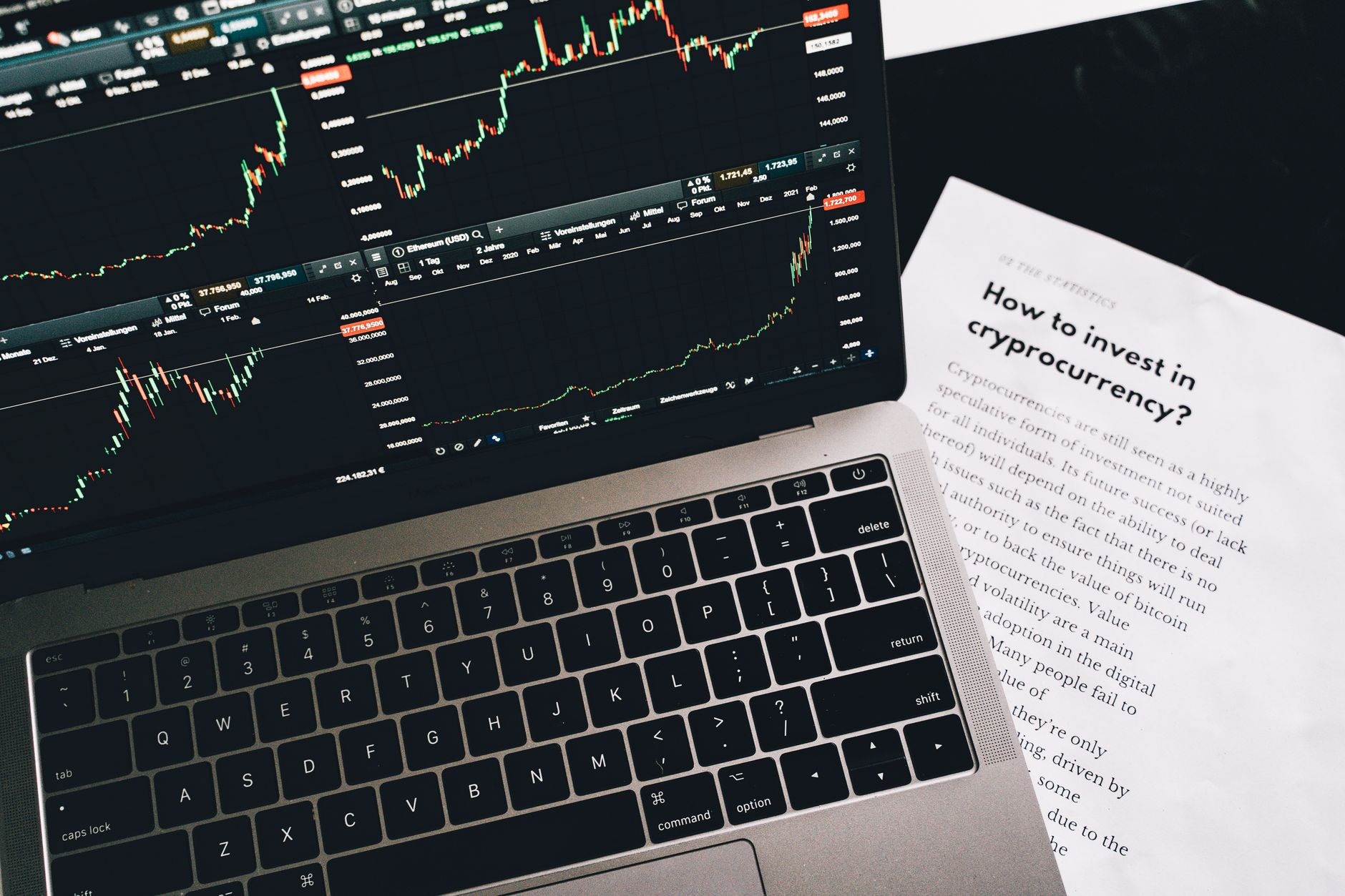
FTX collapsed and took $8 billion in customer funds with it. Celsius, Voyager, BlockFi — all gone. Every centralized exchange that imploded had one thing in common: they held your funds, and when things went sideways, you couldn't get them back. The lesson was expensive but simple: not your keys, not your coins.
Decentralized trading eliminates this risk entirely. Your funds stay in your wallet until the moment you execute a trade, and they return to your wallet the moment the trade settles. No intermediary holds your money. No CEO can gamble with your deposits. No exchange can freeze your withdrawals because there are no withdrawals — your funds never left your wallet.
The DEX Advantage
Decentralized exchanges have matured dramatically. In 2022, DEX trading was slow, expensive, and had terrible liquidity. In 2026, platforms like Hyperliquid offer sub-second execution, deep order books rivaling Binance, and fees lower than most centralized alternatives. The gap has closed.
On Hyperliquid specifically, you get perpetual futures with up to 50x leverage, an on-chain order book (not an AMM), and completely self-custodial trading. Your private key is your account. There's no signup form, no email verification, no passport scan. Connect wallet, deposit, trade. That's it.
For spot trading and token swaps, Solana's DEX ecosystem is unmatched. Jupiter aggregates liquidity across every Solana DEX to give you the best possible swap rate. One transaction, best price, sub-second finality. Gas fees are fractions of a penny compared to Ethereum's dollars.
Solana DEX Ecosystem
Tools like MevX and Photon give you an edge that simply doesn't exist on centralized exchanges. MevX provides advanced trading features for Solana tokens, while Photon offers the fastest token scanning and sniping capabilities in the ecosystem. These are the tools serious on-chain traders use to find opportunities before the crowd.
The Solana DeFi stack keeps growing. New protocols launch weekly, each creating opportunities for early participants. Airdrops, yield farms, new token launches — the on-chain ecosystem rewards active participants in ways that centralized exchanges never will.
How to Get Started
Step 1: Get a wallet. Phantom for Solana, MetaMask or Rabby for EVM chains. Write down your seed phrase. Store it offline. Never screenshot it. Never save it in your notes app. This is your bank account password — treat it accordingly.
Step 2: Bridge funds. Move USDC from wherever you hold it to Solana (via Jupiter or a bridge) or to Hyperliquid (via Arbitrum bridge). Start small. Get comfortable with the mechanics before committing significant capital.
Step 3: Start trading. On Hyperliquid, you can trade perpetual futures on major assets with institutional-grade liquidity. On Jupiter, you can swap any Solana token at the best available rate. On MevX and Photon, you can discover and trade new tokens before they hit mainstream radar. The decentralized toolset in 2026 is better than what centralized exchanges offered just two years ago.