Gym
Best Post-Workout Meals for Maximum Muscle Recovery (2026)
Top post-workout meals for muscle recovery and growth in 2026. Science-backed nutrition timing recipes to maximize your gym gains.
Maxxing Army · 8 min read
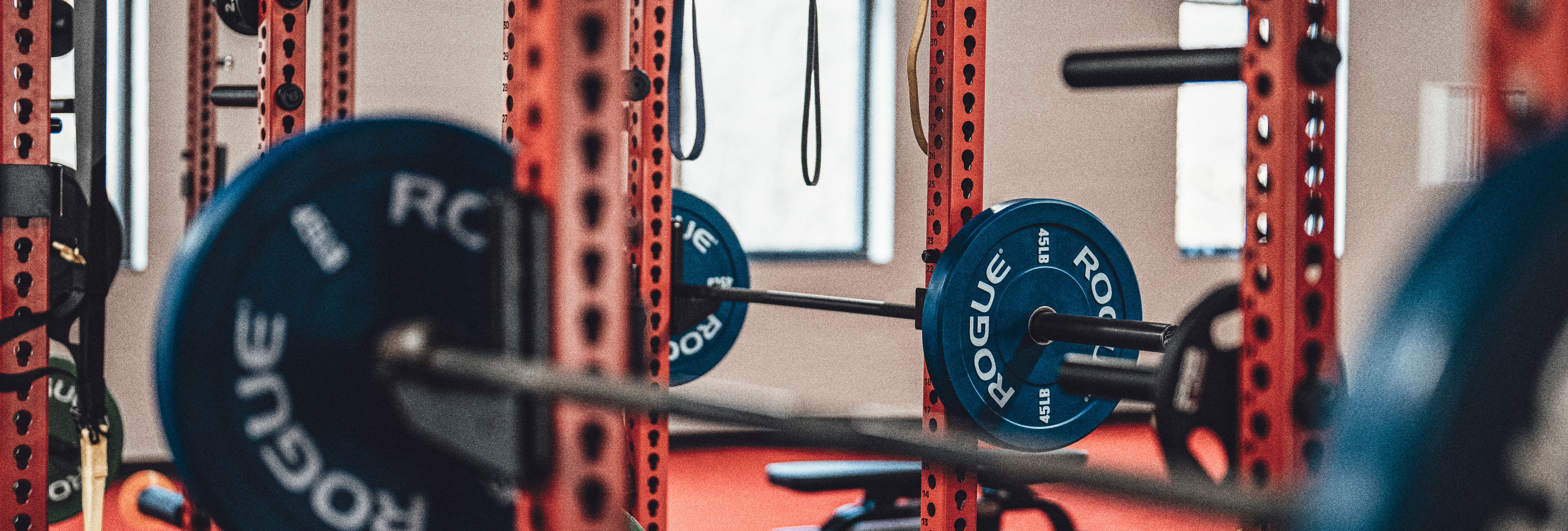
Post-workout meals represent one of the most critical nutritional windows for anyone serious about building muscle, improving performance, and recovering efficiently from strenuous exercise. Whether you are a competitive athlete, a dedicated gym-goer, or someone who simply enjoys regular workouts, the food you consume after training directly influences how quickly your muscles repair, how effectively they grow, and how ready you feel for your next session. Understanding the science of muscle recovery and applying that knowledge to your plate can mean the difference between steady progress and frustrating plateaus.
The post-exercise period, often called the anabolic window, is a time when your muscles are particularly receptive to nutrients. After intense resistance training or cardiovascular exercise, your muscle fibers undergo microscopic damage that triggers a cascade of repair processes. During this repair phase, your body uses amino acids from dietary protein to rebuild and strengthen these fibers, a process that, when supported by adequate nutrition, leads to muscle hypertrophy over time. This is why planning your post-workout meals strategically is not just a matter of preference but a fundamental aspect of any serious training program.
Understanding Muscle Recovery and the Role of Post-Workout Nutrition
To appreciate why post-workout meals matter so much, you first need to understand what happens inside your body during and after exercise. When you lift weights, sprint, or engage in any high-intensity activity, you create metabolic stress and mechanical tension within your muscle tissues. This stress causes small tears in the muscle fibers, which sounds negative but is actually the mechanism by which muscles grow bigger and stronger. The rebuilding process requires raw materials, primarily amino acids, which come from the protein you eat.
Carbohydrates play an equally important role in this recovery equation. During exercise, your muscles deplete their glycogen stores, which serve as the primary fuel source for high-intensity activities. Replenishing these glycogen stores after training ensures that your muscles have the energy they need for future workouts and that your performance does not suffer in subsequent sessions. Additionally, carbohydrates stimulate insulin release, an anabolic hormone that helps drive nutrients into your muscle cells more efficiently.
The fat you consume in post-workout meals also contributes to recovery by supporting hormone production and reducing inflammation. While the timing of fat intake is less critical than protein and carbohydrates, including healthy fats in your post-workout meals helps maintain overall hormonal balance, which is essential for muscle growth and repair. A well-constructed post-workout meal addresses all three macronutrients in appropriate proportions based on your individual goals, body weight, training intensity, and metabolic needs.
The Essential Components of Effective Post-Workout Meals
Building the perfect post-workout meal requires attention to protein, carbohydrates, and timing. Protein provides the amino acids necessary for muscle protein synthesis, the process by which your body builds new muscle tissue. Research consistently shows that consuming protein after exercise helps maximize the muscular adaptation that occurs during training. The recommended amount typically falls between twenty and forty grams of high-quality protein, roughly equivalent to three to five servings of meat, fish, eggs, or dairy, or a substantial serving of plant-based protein sources.
The source of protein matters as much as the quantity. Complete proteins containing all essential amino acids are particularly effective for muscle recovery. Whey protein, found in dairy products, is often cited as the gold standard due to its rapid digestion and complete amino acid profile. Casein protein, also from dairy, offers a slower release of amino acids, making it beneficial for prolonged muscle repair throughout the night. Egg protein provides an excellent alternative, while plant-based options like soy, pea, and hemp proteins can combine to form complete amino acid profiles.
Carbohydrates are the other essential component, serving to refill muscle glycogen and restore energy levels. The ideal amount depends on the intensity and duration of your training. For moderate sessions lasting under an hour, a moderate carbohydrate intake of roughly half a gram per pound of body weight is sufficient. For longer or more intense sessions that significantly deplete glycogen stores, you may need a full gram per pound or more. Choosing carbohydrates with a moderate to high glycemic index, such as rice, potatoes, oats, or fruit, can help rapidly restore glycogen levels when consumed shortly after exercise.
Best Post-Workout Meal Ideas for Maximum Muscle Recovery
Translating nutritional science into delicious, practical meals is where the rubber meets the road. One of the most classic and effective post-workout meals is grilled chicken with brown rice and steamed vegetables. This combination provides approximately forty grams of lean protein from the chicken, substantial complex carbohydrates from the brown rice, and a spectrum of micronutrients from the vegetables that support overall recovery processes. Adding a drizzle of olive oil or avocado provides healthy fats to round out the meal.
Another excellent option is salmon with sweet potato and a side of leafy greens. Salmon offers the added benefit of omega-3 fatty acids, which have anti-inflammatory properties that can help reduce muscle soreness and support the recovery process. Sweet potatoes provide complex carbohydrates with a higher glycemic index than brown rice, making them particularly effective for rapid glycogen replenishment. The fiber content also helps moderate blood sugar responses, preventing the crashes that can follow high-sugar meals.
For those who prefer quicker options or are managing their time carefully, a protein smoothie with banana, oats, and peanut butter delivers excellent recovery nutrition. Blending protein powder with frozen fruit, rolled oats, a tablespoon of nut butter, and milk or water creates a portable meal that is easy to digest and absorb. This type of meal is particularly useful immediately after training when you may not feel like preparing a full cooked meal but still need to consume nutrients promptly.
Egg-based meals offer exceptional versatility and nutritional density. A large omelet with cheese, spinach, and tomatoes, served alongside whole grain toast, provides high-quality protein, healthy fats, and fiber-rich carbohydrates. Eggs contain leucine, an amino acid that plays a particularly important role in triggering muscle protein synthesis, making them an excellent choice for post-workout nutrition.
Timing and Frequency Considerations for Post-Workout Meals
The concept of the anabolic window has evolved significantly in recent years. While earlier research suggested that nutrients had to be consumed within thirty minutes of exercise to maximize benefits, more recent studies indicate that the window is likely wider than previously thought, potentially extending to two to three hours for many individuals. However, this does not mean timing is irrelevant. Consuming a balanced meal relatively soon after training remains a sound strategy for supporting recovery and maintaining consistent energy intake throughout the day.
For most people, the practical approach involves consuming a substantial meal within two hours of completing their workout. If your training session occurs early in the morning and you prefer to train fasted, you can structure your day so that your first substantial meal after training still contains the necessary protein and carbohydrates for recovery. The key principle is that your total daily nutrient intake matters more than any single meal, so focusing on consistency across all meals yields the best long-term results.
Frequency of protein intake also influences muscle recovery. While the total daily protein intake is most important, distributing protein across four to six meals throughout the day, including a serving after training, helps maintain elevated rates of muscle protein synthesis. This does not mean you need to force yourself to eat more than you are comfortable with, but rather that spreading your protein intake helps optimize the repair and growth processes that occur continuously in your muscles.
Common Mistakes to Avoid in Your Post-Workout Nutrition
One of the most frequent errors people make with post-workout meals is consuming too little protein. While many people are aware that protein matters after training, they underestimate how much their body actually needs to repair and grow muscle tissue effectively. Failing to consume adequate protein means your body lacks the building blocks necessary to fully rebuild the muscle fibers damaged during exercise, potentially limiting your gains over time.
Another common mistake is neglecting carbohydrates entirely in the post-workout meal. Some people, particularly those focused on fat loss, swing too far in the opposite direction and avoid carbs after training, fearing they will store the carbohydrates as body fat. While creating a caloric deficit is necessary for fat loss, severely restricting carbohydrates around training can impair recovery, reduce performance in future sessions, and leave you feeling fatigued and depleted. The goal should be balanced nutrition that supports your training without excessive calorie intake.
Equally problematic is consuming post-workout meals that are high in fat but low in protein and carbohydrates. While healthy fats are important for overall nutrition, fat slows digestion, which can delay the absorption of protein and carbohydrates when you need them most. Meals high in fat content consumed immediately after training may leave you feeling sluggish and reduce the efficiency of nutrient uptake into your muscle cells.
Finally, relying on processed supplements or convenient but nutritionally poor foods as your primary post-workout meals shortchanges your recovery potential. Protein bars, while convenient, often contain excessive sugar, unhealthy fats, and artificial ingredients while providing less protein than whole food alternatives. Building meals from whole food sources ensures that you receive the full spectrum of micronutrients, fiber, and phytochemicals that support optimal health and recovery.
Building your post-workout nutrition strategy around these principles will help you maximize muscle recovery, improve your training performance, and achieve your fitness goals more efficiently. The consistency of your nutrition, the quality of your food choices, and the balance of your macronutrients all contribute to the ultimate results you see in the mirror and feel in your strength levels. Treat your post-workout meals as an investment in your progress, and your body will reward you with the gains you are working toward.