Deep Sleep Optimization: The Ultimate Protocol for Cognitive Recovery (2026)
Master your circadian rhythm and maximize REM cycles with a science-backed protocol designed for peak mental performance and physical restoration.
The Biological Architecture of Deep Sleep and Cognitive Restoration
Deep sleep, clinically known as slow wave sleep or N3, represents the most critical phase of the nocturnal cycle for systemic recovery and neurological maintenance. While REM sleep is often praised for emotional processing and memory consolidation, deep sleep is where the heavy lifting of physical and cognitive repair occurs. During this stage, the brain produces low frequency, high amplitude delta waves that signal the body to enter a state of profound metabolic downregulation. This is the window where the glymphatic system becomes most active, effectively flushing metabolic waste and neurotoxic byproducts like beta amyloid from the interstitial spaces of the brain. Without sufficient deep sleep optimization, the brain remains cluttered with these cellular debris, leading to cognitive fog, diminished executive function, and a long term increase in neurodegenerative risks.
The process of cognitive recovery is not a passive event but an active biological orchestration. During deep sleep, the body releases a surge of growth hormone, which is essential for tissue repair and protein synthesis. For the high performer, this means that the physical recovery of the muscles and the structural integrity of the neurons are both being addressed simultaneously. The synchronization of these delta waves allows the brain to decouple from external stimuli, creating a sanctuary for the prefrontal cortex to reset. When we optimize for deep sleep, we are essentially maximizing the efficiency of this neurological cleanse. The result is a sharpened mental edge, faster reaction times, and a significantly higher capacity for complex problem solving upon waking.
Understanding the architecture of the sleep cycle is paramount to mastering this protocol. A typical night consists of several ninety minute cycles, with the majority of deep sleep occurring in the first half of the night. This is why consistency in sleep timing is non negotiable. If you shift your bedtime by several hours, you disrupt the natural pressure for slow wave sleep, often pushing the body into lighter stages or fragmented REM. To achieve true deep sleep optimization, one must align their behavioral patterns with the circadian rhythm, ensuring that the homeostatic sleep drive is at its peak when the head hits the pillow. This involves managing the accumulation of adenosine, the chemical byproduct of wakefulness that creates the urge to sleep, and ensuring that it is not blocked by stimulants too late in the day.
Advanced Environmental Engineering for Maximum Slow Wave Sleep
The environment is the primary external lever for controlling the depth of your sleep. The human brain is evolved to sleep in cool, dark, and silent environments, and any deviation from these parameters triggers a stress response that keeps the brain in a state of hyper vigilance. Temperature regulation is perhaps the most overlooked aspect of the sleep equation. The core body temperature must drop by approximately two to three degrees Fahrenheit to initiate and maintain deep sleep. If the room is too warm, the body struggles to shed heat, which prevents the transition into the N3 stage. Utilizing a cooling mattress pad or maintaining a room temperature between sixty and sixty seven degrees Fahrenheit is a fundamental requirement for anyone serious about cognitive recovery.
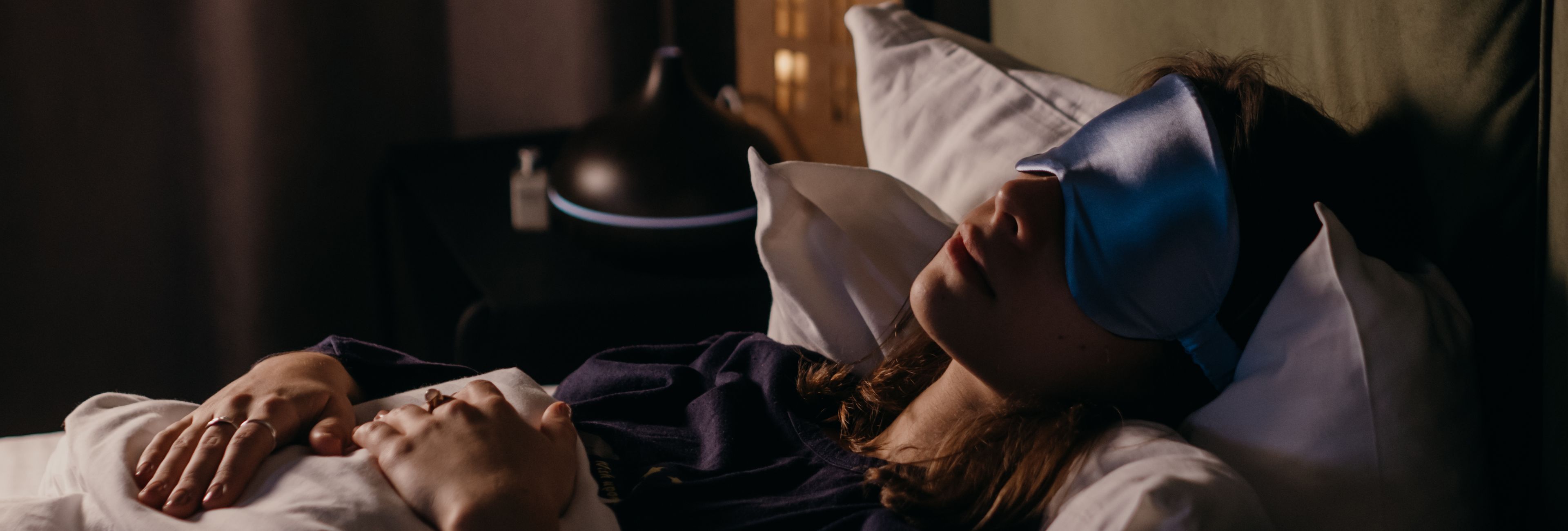
Light pollution is another significant disruptor of the deep sleep mechanism. Even small amounts of blue light from electronic devices or streetlights filtering through curtains can suppress the production of melatonin, the hormone that signals the body to prepare for sleep. Melatonin is not just a sleep inducer; it is a powerful antioxidant that protects the brain during the recovery process. To optimize this, a total blackout environment is necessary. This means using blackout curtains or a high quality sleep mask to ensure that the pineal gland can operate without interference. By eliminating light, you signal to the suprachiasmatic nucleus that the biological night has begun, allowing the transition into deep sleep to happen more rapidly and with greater stability.
Soundscapes also play a pivotal role in maintaining the continuity of slow wave sleep. While some people prefer absolute silence, others benefit from pink noise or brown noise, which provide a consistent auditory floor that masks sudden spikes in sound. Sudden noises can trigger a micro arousal, which may not wake you up fully but will kick you out of deep sleep and back into a lighter stage of NREM. This fragmentation ruins the quality of the recovery. By implementing a sound masking strategy, you create a sonic cocoon that protects the brain from external interruptions, ensuring that the delta wave oscillations remain uninterrupted for the duration of the deep sleep windows.
Nutritional and Pharmacological Strategies for Deep Sleep Optimization
What you consume during the day and in the hours leading up to sleep dictates the chemical environment of your brain. To enhance deep sleep optimization, one must focus on precursors and cofactors that support GABAergic activity. GABA is the primary inhibitory neurotransmitter in the brain, and its activation is essential for quieting the noise of the conscious mind to allow for the descent into deep sleep. Magnesium, specifically in the form of glycinate or threonate, is a critical mineral that supports this process by regulating the nervous system and promoting muscle relaxation. When magnesium levels are optimized, the body can more easily transition from the high energy state of wakefulness to the low energy state of deep sleep.
The timing of macronutrient intake is equally important. Consuming a large, high carbohydrate meal immediately before bed can cause a spike in insulin and blood glucose, which may lead to nighttime awakenings or a shallower sleep profile due to the thermic effect of food. Conversely, a small amount of complex carbohydrates a few hours before bed can facilitate the transport of tryptophan across the blood brain barrier, aiding in the production of serotonin and subsequently melatonin. Avoiding alcohol is mandatory for anyone seeking cognitive recovery. While alcohol may help you fall asleep faster by acting as a sedative, it is a potent disruptor of sleep architecture. It suppresses REM sleep and fragments the deep sleep stages, leaving the user feeling exhausted and cognitively impaired the next morning.
Certain targeted supplements can further refine the protocol. L theanine, an amino acid found in green tea, promotes relaxation without sedation and can help quiet a racing mind. When paired with a low dose of magnesium, it creates a synergistic effect that lowers the heart rate and prepares the brain for the slow wave transition. However, the goal is always to support the body's natural rhythms rather than overriding them with heavy sedatives. Pharmaceutical sleep aids often induce a state of unconsciousness that mimics sleep but lacks the restorative delta wave activity of true deep sleep. For genuine cognitive recovery, the focus must remain on natural optimization and the removal of inhibitors rather than the reliance on synthetic shortcuts.
The Synergy of Physical Load and Cognitive Recovery Protocols
Physical exertion is one of the most powerful drivers of deep sleep. The relationship between physical fatigue and sleep depth is linear; the harder the body works during the day, the greater the need for systemic repair during the night. This is where the concept of the sleep drive comes into play. High intensity interval training or heavy resistance training increases the demand for growth hormone and tissue repair, which directly increases the proportion of deep sleep the brain allocates to the night. If you are sedentary, your body has no biological imperative to enter deep sleep for extended periods, which often leads to a feeling of waking up unrefreshed despite spending eight hours in bed.
However, the timing of this physical load is critical. Exercising too close to bedtime can be counterproductive. High intensity workouts increase core body temperature and elevate cortisol and adrenaline levels, both of which are antagonistic to the onset of sleep. To maximize deep sleep optimization, the most strenuous activity should be completed at least four to six hours before the intended sleep time. This allows the body to enter a cool down phase and for the nervous system to shift from sympathetic dominance, the fight or flight mode, to parasympathetic dominance, the rest and digest mode. This shift is essential for the brain to enter the state of vulnerability required for deep sleep.
Integrating a wind down ritual is the final bridge between the active day and the recovery night. This ritual should include activities that signal to the brain that the period of productivity is over. This could involve a warm bath, which paradoxically helps cool the core body temperature by drawing heat to the surface of the skin, or a period of non sleep deep rest, such as mindful breathing or light stretching. By consciously decelerating the mental and physical pace, you reduce the cognitive load and lower the threshold for entering the N3 stage. This intentional transition ensures that when you finally close your eyes, the brain is primed for immediate and profound cognitive recovery.
Measuring and Iterating the Deep Sleep Protocol
You cannot optimize what you do not measure. In the modern era, we have access to wearable technology that provides a reasonable approximation of sleep stages. While not as accurate as a clinical polysomnography, these devices allow for the tracking of trends over time. By monitoring the percentage of the night spent in deep sleep, you can begin to correlate specific variables with your recovery quality. For example, you might notice that on days when you avoid caffeine after noon, your deep sleep duration increases by twenty percent. Or you might find that a room temperature of sixty four degrees leads to fewer awakenings and a more consolidated block of slow wave sleep.
The process of iteration is where the true gains are made. Every individual has a unique biological blueprint, and what works for one person may not work for another. The key is to change only one variable at a time. If you change your supplement stack, your room temperature, and your workout time all in one night, you will not know which change caused the improvement or the decline in sleep quality. By systematically isolating variables, you can build a personalized deep sleep optimization manual. Pay close attention to subjective markers as well, such as your level of mental clarity upon waking and your ability to maintain focus throughout the afternoon without a crash.
Ultimately, the pursuit of deep sleep is the pursuit of a superior version of yourself. When the brain is fully recovered, the capacity for learning, memory, and emotional regulation is vastly expanded. The cognitive recovery provided by a perfected deep sleep protocol is the foundation upon which all other performance gains are built. Whether you are an athlete, an entrepreneur, or a student, the ability to access and maintain high quality slow wave sleep is the ultimate competitive advantage. By treating sleep as a professional discipline rather than a passive necessity, you unlock the full potential of your neurological hardware and ensure that every day is met with maximum cognitive power.