How to Fall Asleep Fast: 10 Science-Backed Techniques (2026)
Discover proven strategies to fall asleep faster and wake up refreshed. Learn the science behind sleep onset latency and optimize your bedtime routine tonight.

Understanding the Science Behind Why You Cannot Fall Asleep Fast
If you have ever found yourself tossing and turning for hours, desperately searching for how to fall asleep fast, you are certainly not alone. Millions of people worldwide struggle with falling asleep quickly, and the frustration of watching the clock tick by while remaining awake can create a vicious cycle of anxiety that only further delays sleep. Understanding the science behind sleep onset is the first critical step toward mastering techniques that genuinely work. Sleep is regulated by two primary biological mechanisms: the circadian rhythm, which is your internal 24-hour body clock, and sleep pressure, which is the accumulation of adenosine in your brain throughout the day. When these two systems are properly aligned, falling asleep should occur within ten to twenty minutes of going to bed. However, modern life introduces countless variables that disrupt this delicate balance, making it essential to understand which interventions are backed by genuine scientific research versus those that are merely popular myths. Chronic stress, excessive screen exposure before bed, irregular sleep schedules, and environmental factors all contribute to extended sleep latency, which is the technical term for the time it takes to transition from full wakefulness to sleep. By understanding these underlying mechanisms, you can approach the question of how to fall asleep fast with a strategic mindset rather than relying on guesswork or trial and error.
The architecture of sleep itself offers clues about why certain techniques prove more effective than others. When you close your eyes and begin to relax, your brain transitions through several distinct stages, starting with light sleep and progressing toward deep sleep and REM (rapid eye movement) sleep. The initial phase, known as N1, represents the border between wakefulness and sleep, and this is precisely where effective falling-asleep techniques aim to keep you. By deliberately slowing your breathing, relaxing your muscles, and quieting your thoughts, you create the optimal conditions for this transition to occur smoothly. Research has consistently shown that individuals who can achieve a state of mental and physical relaxation within minutes of lying down will fall asleep significantly faster than those who remain physiologically aroused. This understanding forms the foundation of every technique discussed in this comprehensive guide to how to fall asleep fast, as each method targets specific aspects of the relaxation response that science has proven accelerates sleep onset.
The Military Method: A Proven System to Fall Asleep Fast
One of the most well-documented approaches to how to fall asleep fast was developed through research conducted with United States military pilots and navigators who needed to fall asleep under extreme stress and challenging conditions. The Military Sleep Method, as it has come to be known, claims to enable practitioners to fall asleep within two minutes or less by following a precise sequence of relaxation techniques. The first phase involves relaxing the entire body, starting with the facial muscles, which are surprisingly connected to our alertness and stress responses. You begin by lying down in your preferred sleeping position and deliberately softening your jaw, allowing your tongue to rest naturally, and releasing the tension around your eyes. This facial relaxation then extends downward through the neck, shoulders, arms, and hands, with each muscle group receiving focused attention. The goal is to achieve complete physical heaviness and limpness, as if your body were melting into the mattress beneath you. Research into progressive muscle relaxation has demonstrated that deliberate release of physical tension activates the parasympathetic nervous system, which is responsible for the rest-and-digest functions that counteract the stress response.
After achieving full body relaxation, the next phase of how to fall asleep fast using the Military Method involves clearing your mind of intrusive thoughts. Many people find that the moment they close their eyes, their minds become flooded with worries, to-do lists, and random memories that prevent sleep from arriving. The technique instructs practitioners to visualize a calm, peaceful scene, such as a quiet forest or a still lake, and to hold that image in their mind for approximately ten seconds while continuing to breathe slowly and deeply. If intrusive thoughts reappear, you simply return to the visualization without judgment or frustration. The combination of physical relaxation and mental imagery creates a powerful one-two punch against the hyperarousal state that keeps most people awake. Studies on meditation and guided imagery have confirmed that visualization techniques reduce cortisol levels and decrease activity in the default mode network of the brain, which is the region associated with self-referential thinking and mind-wandering. With consistent practice, this method for how to fall asleep fast can become so internalized that falling asleep quickly becomes an almost automatic response to lying down.
Breathing Techniques That Accelerate Sleep Onset
The connection between breathing and the nervous system provides one of the most accessible and immediately effective tools for anyone seeking to learn how to fall asleep fast. Breathing is unique among autonomic functions because it can be consciously controlled, making it a bridge between the voluntary and involuntary aspects of your physiology. When you breathe deeply and rhythmically, you stimulate the vagus nerve, which runs from the brainstem through the neck and chest and plays a crucial role in regulating heart rate and promoting relaxation. Several specific breathing patterns have been studied for their sleep-inducing properties, with the 4-7-8 technique emerging as a particularly powerful method for falling asleep quickly. Developed by Dr. Andrew Weil, this technique involves inhaling quietly through the nose for a count of four, holding the breath for a count of seven, and exhaling completely through the mouth with a whooshing sound for a count of eight. The extended exhale relative to the inhale is the key feature, as it activates the parasympathetic nervous system and creates a natural calming effect that mimics the physiological state of deep relaxation.
Another highly effective breathing approach for those wondering how to fall asleep fast is called coherent breathing or resonance breathing, which involves breathing at a rate of approximately five to six breaths per minute. This slower pace allows the heart rate to synchronize with the breathing rhythm, creating what researchers call heart rate variability coherence. When practiced for several minutes before sleep, coherent breathing has been shown to reduce symptoms of anxiety and promote the transition from beta brain waves (associated with active waking) to alpha and theta brain waves (associated with relaxation and early sleep stages). To practice this technique, simply breathe in for approximately five seconds and breathe out for approximately five seconds, maintaining this rhythm without pausing between breaths. Many people find that combining this breathing pattern with muscle relaxation creates a synergistic effect that makes learning how to fall asleep fast feel almost effortless. The beauty of breathing techniques lies in their portability and immediacy; they require no special equipment, can be practiced anywhere, and produce results within just a few minutes of consistent practice.
Optimizing Your Sleep Environment to Fall Asleep Fast
Even the most skilled relaxation techniques can be undermined by a sleep environment that is not conducive to falling asleep quickly. Understanding how to fall asleep fast requires attention to the physical conditions of your bedroom, as external factors such as temperature, light, and sound can either facilitate or obstruct the sleep onset process. The ideal bedroom temperature for most people ranges between 60 and 67 degrees Fahrenheit (15 to 19 degrees Celsius), as the body's core temperature naturally drops by one to two degrees during the initial stages of sleep. A cool room facilitates this temperature regulation, whereas a room that is too warm can prevent the body from achieving the thermal conditions it needs for efficient sleep onset. If you do not have control over your bedroom thermostat, consider using a fan to circulate air, opening windows when possible, or selecting breathable bedding materials that wick away moisture and allow heat to escape.
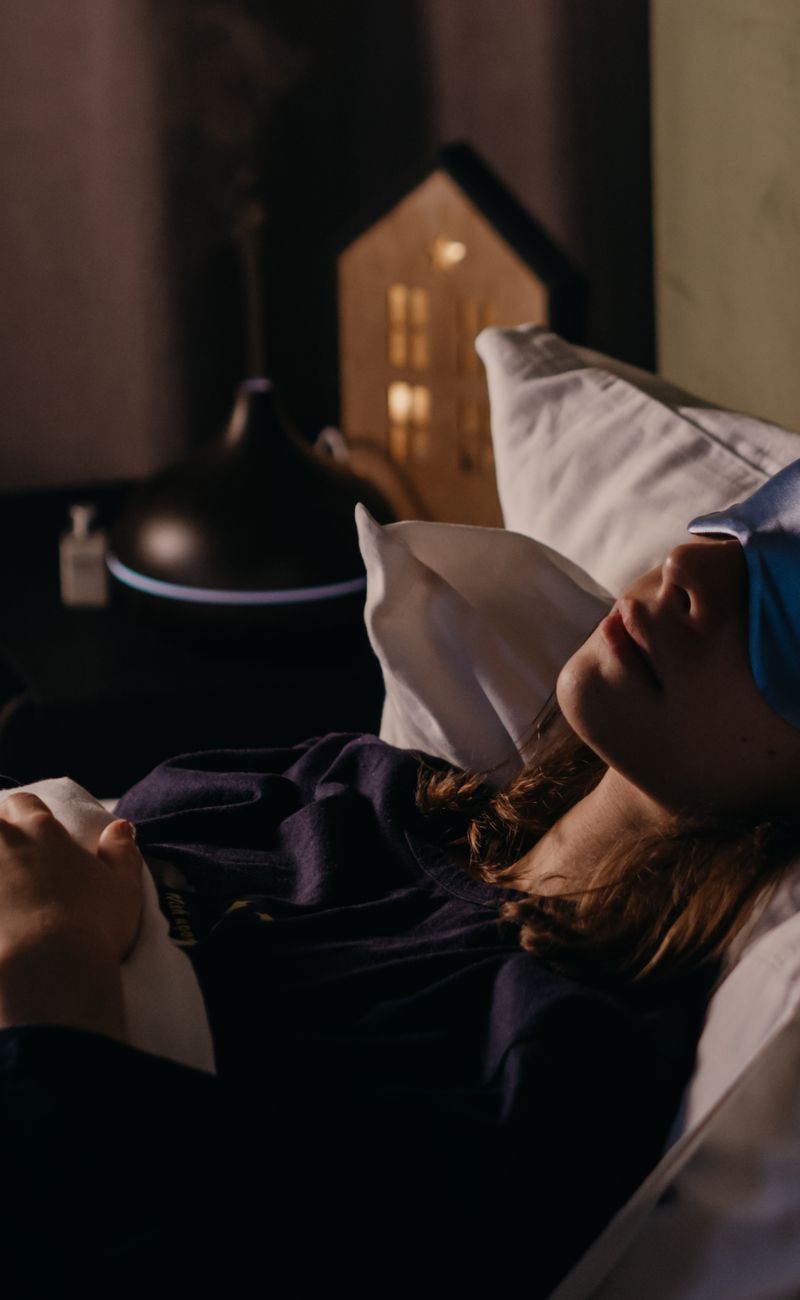
Light exposure represents another critical environmental factor when considering how to fall asleep fast, because light is the most powerful regulator of the circadian rhythm. The suprachiasmatic nucleus in the hypothalamus uses light signals from the eyes to determine whether it is day or night, and even small amounts of light can suppress the production of melatonin, the hormone that signals the body it is time to sleep. This is why it is essential to minimize artificial light sources in the bedroom, particularly the blue light emitted by smartphones, tablets, and computer screens, which is especially effective at inhibiting melatonin production. Investing in blackout curtains or a quality sleep mask can dramatically improve your ability to fall asleep quickly, as complete darkness signals to your brain that sleep time has arrived. Additionally, consider the impact of ambient noise on your ability to fall asleep fast. While some people find complete silence unsettling, others benefit from consistent background sounds that mask sudden disruptions. White noise machines, nature sounds, or even a simple fan can create an acoustic environment that promotes faster sleep onset by preventing sudden awakenings from unexpected noises.
Building a Sleep Routine That Makes Falling Asleep Fast Automatic
Perhaps the most powerful long-term strategy for anyone serious about learning how to fall asleep fast is to establish a consistent pre-sleep routine that trains the brain to recognize sleep as an inevitable consequence of certain cues. The human brain excels at forming associations through repetition, and by consistently following the same sequence of activities before bed, you can create a powerful conditioned response that prepares your mind and body for sleep. This concept, known as sleep hygiene, encompasses a variety of habits and environmental modifications that collectively support healthy sleep. The foundation of effective sleep hygiene begins with maintaining a consistent sleep schedule, even on weekends, as irregular bedtimes and wake times disrupt the circadian rhythm and make it harder to fall asleep quickly at the desired time. When your body knows precisely when it should be sleeping and waking, the transition to sleep becomes much more automatic.
The activities you engage in during the hour before bed also significantly impact your ability to fall asleep fast. Vigorous exercise, caffeine consumption, work-related tasks, and stimulating entertainment all increase physiological arousal and make sleep onset more difficult. Instead, consider replacing these activities with calming alternatives such as reading a physical book, taking a warm bath, practicing gentle stretching, or engaging in mindfulness meditation. A warm bath or shower before bed raises your core body temperature temporarily, and the subsequent rapid cool-down after exiting the water mimics the natural temperature drop that occurs during sleep onset, thereby potentially accelerating the transition to sleep. Similarly, exposure to dim, warm lighting in the evening hours helps trigger the natural production of melatonin and signals to your brain that the day is ending. For those specifically focused on how to fall asleep fast, it is worth noting that the quality of your daytime habits, including regular exercise, limited caffeine after noon, and avoidance of alcohol near bedtime, all contribute to sleep pressure and readiness for sleep when evening arrives.
Advanced Relaxation Methods for Rapid Sleep Onset
Beyond basic breathing exercises and environmental optimization, several more advanced relaxation methods have demonstrated remarkable efficacy for individuals who struggle with racing thoughts and persistent insomnia. One of the most well-researched approaches to how to fall asleep fast is the practice of progressive muscle relaxation, which involves systematically tensing and then releasing every major muscle group in the body. By systematically working from your feet up to your head, you create a profound sense of physical relaxation that is incompatible with the tension and hyperarousal that typically keep people awake. The technique requires you to hold each muscle contraction for approximately five to ten seconds, focusing on the sensation of tension, and then release it completely while noticing the contrast between tension and relaxation. Research published in sleep journals has shown that regular practice of progressive muscle relaxation can reduce sleep onset latency by an average of several minutes, and the skill becomes more effective with repeated use.
Another powerful method for those seeking how to fall asleep fast involves the use of hypnagogic imagery, which is the mental state between wakefulness and sleep when the brain is highly receptive to suggestion. During this transitional phase, known as the hypnagogic state, the brain becomes more responsive to visual imagery and suggestions, and many people experience vivid sensory phenomena similar to dreams. By deliberately entering this state and maintaining a light level of awareness while simultaneously relaxing the body, you can slip directly into sleep without the typical struggle. Some practitioners find that counting sheep or visualizing a peaceful scene is sufficient to trigger this transition, while others benefit from more structured approaches such as self-hypnosis scripts or guided sleep meditations. Aromatherapy with certain essential oils, particularly lavender, has also shown promise in research studies for reducing sleep onset time, possibly by creating associative cues between the scent and relaxation. The key to mastering any of these advanced methods is consistency and patience, as falling asleep fast is a skill that improves with regular practice and a genuine commitment to developing healthy sleep habits.