How to Get More Deep Sleep: Science-Backed Optimization Guide (2026)
Deep sleep is your body's most restorative phase, driving muscle recovery, immune function, and memory consolidation. Learn the exact protocols to extend your deep sleep stages naturally.
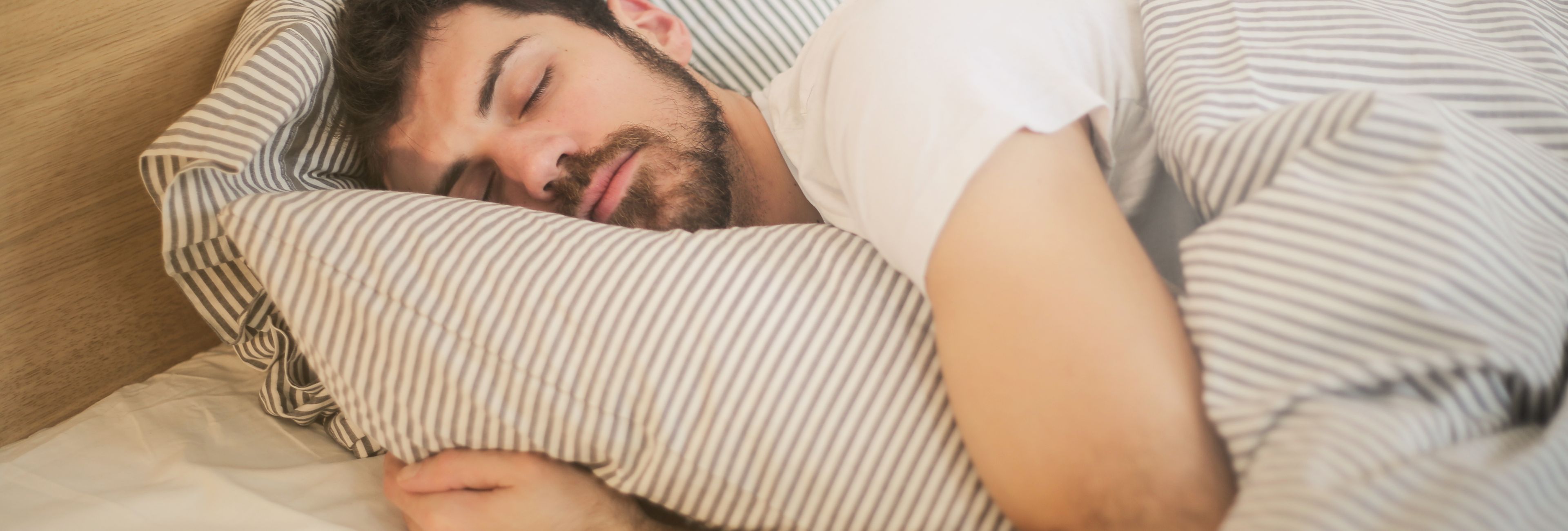
Understanding Deep Sleep: Why It Matters More Than You Think
Deep sleep, also known as slow-wave sleep, represents the most restorative phase of your sleep cycle. During this critical period, your body undergoes essential repair and regeneration processes that cannot occur during lighter sleep stages or wakefulness. The brain generates slow delta waves at a frequency of 0.5 to 2 Hz, which creates the characteristic slow-wave pattern that gives this sleep stage its name. When you learn how to get more deep sleep, you are essentially unlocking your body's most powerful recovery mechanism. Research consistently demonstrates that deep sleep plays a fundamental role in immune function, tissue repair, hormone regulation, and memory consolidation. Without adequate time spent in this restorative stage, even eight or nine hours of total sleep time may leave you feeling fatigued, mentally foggy, and physically unwell.
The consequences of insufficient deep sleep extend far beyond simple tiredness. Studies have shown that chronic deprivation of slow-wave sleep correlates with increased risk of cardiovascular disease, metabolic dysfunction, and cognitive decline. Growth hormone, which is primarily secreted during deep sleep, supports muscle repair, bone density maintenance, and cellular regeneration throughout the body. Additionally, the glymphatic system, your brain's waste clearance pathway, becomes most active during deep sleep, flushing out toxic proteins including those associated with neurodegenerative conditions. Understanding the science behind deep sleep reveals why prioritizing quality over mere duration represents one of the most impactful lifestyle changes you can make for long-term health and performance.
Science-Backed Strategies to Increase Deep Sleep Duration
One of the most effective evidence-based approaches to increasing deep sleep involves temperature manipulation. Your body's core temperature naturally drops by 2 to 3 degrees Fahrenheit during the first hours of sleep, and facilitating this temperature decline can accelerate the transition into deep sleep stages. Cooling your bedroom to approximately 65 to 68 degrees Fahrenheit creates an optimal environment for this thermoregulatory process. Alternatively, taking a warm bath or shower 90 minutes before bedtime triggers a compensatory vasodilation response that effectively lowers core body temperature, thereby promoting faster entry into slow-wave sleep. Some athletes and biohackers have experimented with cooling caps or cooling mattress pads, with promising results showing increased time spent in deep sleep and improved morning alertness.
Nutrition and meal timing also influence deep sleep architecture more than most people realize. Consuming large meals within three hours of bedtime can significantly disrupt sleep quality by increasing metabolic activity and potentially causing discomfort that fragments sleep cycles. Conversely, certain foods and supplements have demonstrated positive effects on slow-wave sleep. Tart cherry juice, which contains natural melatonin and tryptophan precursors, has shown modest but consistent benefits in clinical trials. Magnesium glycinate and magnesium threonate, when taken 30 to 60 minutes before bed, may support both sleep onset and deep sleep duration by promoting muscle relaxation and regulating neurotransmitters involved in sleep promotion. Omega-3 fatty acids, particularly DHA, have also emerged as potential enhancers of deep sleep quality, with some research suggesting they influence melatonin production and membrane fluidity in neurons.
Exercise represents one of the most powerful natural enhancers of deep sleep, though timing matters considerably. Moderate to vigorous physical activity performed at least 3 to 4 hours before bedtime consistently increases slow-wave sleep in adults across multiple demographic groups. The mechanism involves both energy expenditure and core temperature elevation followed by a compensatory cooling period that promotes deep sleep onset. However, exercising too close to bedtime may interfere with sleep onset by raising body temperature and stimulating arousal systems. Resistance training, particularly compound movements that recruit large muscle groups, appears especially effective at promoting deep sleep, possibly due to the higher demands placed on recovery systems that require extended slow-wave sleep to complete.
Optimizing Your Sleep Environment for Maximum Deep Sleep
Creating an environment conducive to deep sleep requires attention to multiple sensory factors that influence sleep quality. Light exposure remains the most potent external signal controlling your circadian rhythm and sleep architecture. Even modest amounts of artificial light, particularly in the blue spectrum emitted by screens and modern LED bulbs, can suppress melatonin production and delay the onset of deep sleep. Installing blackout curtains or using sleep masks eliminates unwanted light pollution that fragments sleep cycles. More importantly, establishing a consistent wind-down routine that reduces light exposure 60 to 90 minutes before bed allows natural melatonin secretion to prepare your brain for deep sleep entry.
Sound management and acoustic optimization also influence deep sleep duration significantly. While total silence is not necessary for good sleep, consistent low-level noise or irregular sounds can trigger micro-awakenings that interrupt deep sleep cycles. White noise machines, brown noise generators, or simply running a fan can create a consistent acoustic backdrop that masks disruptive sounds and promotes uninterrupted sleep. Some research suggests that certain frequencies of pink noise, which emphasizes lower frequencies more than white noise, may actually enhance slow-wave sleep by synchronizing neural oscillations associated with deep sleep stages. Creating a dedicated sleep environment that minimizes sensory disruptions allows your body to complete full cycles through all sleep stages, including adequate time in the most restorative deep sleep phase.
Your mattress and bedding choices affect deep sleep more than most consumers realize. An unsupportive or uncomfortable sleep surface causes micro-arousals throughout the night, reducing the time spent in deep sleep stages even if total sleep duration remains unchanged. Medium-firm mattresses generally provide the best balance of support and pressure relief for most sleepers, though individual preferences vary based on body weight, sleeping position, and personal comfort requirements. Temperature-regulating mattress materials, such as those infused with phase-change polymers or copper-infused textiles, help maintain optimal skin temperature throughout the night, supporting the thermoregulatory processes that facilitate deep sleep. Investing in quality bedding that manages moisture and temperature creates conditions that support extended periods in slow-wave sleep.
Common Mistakes That Sabotage Deep Sleep and How to Fix Them
Inconsistent sleep schedules represent one of the most damaging behaviors for deep sleep quality. Your circadian system thrives on regularity, and variable bedtimes and wake times disrupt the precisely timed hormonal and neurological processes that govern sleep architecture. Even weekend sleep-in sessions, while pleasant, can shift your circadian phase and reduce deep sleep on subsequent nights. Establishing a fixed wake time, regardless of weekday or weekend, anchors your circadian rhythm and optimizes the timing of deep sleep peaks that typically occur in the first third of the night. Going to bed only when genuinely sleepy, rather than adhering to a rigid schedule, further ensures that time spent in bed correlates with actual sleep rather than restless wakefulness.
Caffeine consumption represents another major saboteur of deep sleep that requires strategic management. The stimulant effects of caffeine can persist for 6 to 8 hours after ingestion, reducing both sleep onset latency and the depth of sleep achieved throughout the night. While individual metabolism rates vary, most adults should cease caffeine consumption at least 8 hours before intended bedtime to minimize interference with deep sleep. Even afternoon coffee consumption can measurably reduce slow-wave sleep in sensitive individuals. Understanding your personal caffeine sensitivity and establishing appropriate cut-off times allows you to enjoy the benefits of caffeine without sacrificing the restorative power of deep sleep.
Alcohol consumption, despite initially causing sedation, severely disrupts deep sleep architecture. While alcohol can reduce sleep onset latency and may increase time spent in early sleep stages, it causes significant fragmentation of later sleep cycles and substantially reduces REM and deep sleep stages. The sedating effect of alcohol masks the underlying sleep quality degradation, leaving many people unaware that their self-medicated sleep routine is actually reducing the restorative value of their time in bed. Eliminating or significantly reducing alcohol consumption, particularly within 3 hours of bedtime, allows normal sleep architecture to proceed unimpeded and maximizes opportunities for extended deep sleep periods.
Tracking and Measuring Your Deep Sleep Progress
Understanding how to get more deep sleep requires some form of measurement to gauge the effectiveness of interventions. Consumer-grade sleep trackers, while not providing clinical-grade accuracy, offer useful trend data that can guide optimization efforts. Most modern fitness wearables and smartwatches estimate deep sleep based on heart rate variability, movement patterns, and other proxy metrics. While these estimates may not capture absolute deep sleep duration with precision, they reliably track relative changes in sleep architecture in response to behavioral modifications. Using the same device consistently allows you to observe whether specific interventions, such as dietary changes or environmental modifications, are producing measurable improvements in deep sleep duration.
Subjective sleep quality assessments remain valuable complements to objective tracking data. The SATED scale, a simple five-question assessment of sleep satisfaction, alertness, timing, efficiency, and duration, provides a validated measure of perceived sleep quality. Tracking both objective metrics and subjective experiences reveals patterns that either confirm or challenge assumptions about what constitutes optimal sleep for you as an individual. Not everyone requires the same amount of deep sleep, and some individuals with naturally efficient deep sleep mechanisms may feel fully restored with relatively modest deep sleep percentages. Identifying your personal baseline and observing how changes affect both objective metrics and subjective wellbeing allows you to tailor your optimization efforts effectively.
When seeking to maximize deep sleep through comprehensive lifestyle optimization, consistency matters more than perfection. Implementing multiple supporting behaviors, rather than relying on a single silver bullet, creates synergistic effects that compound over time. Regular evaluation of your sleep environment, schedule, nutrition, and stress management practices, combined with ongoing tracking of outcomes, enables continuous refinement of your personal sleep strategy. The goal of learning how to get more deep sleep is not to achieve perfect sleep or chase unrealistic benchmarks but rather to establish sustainable habits that support consistent access to the restorative power of slow-wave sleep. Your body possesses an innate capacity for deep sleep that surfaces when you remove obstacles and provide supportive conditions. Trust the process, maintain consistency, and allow adequate time for your sleep optimization efforts to compound into meaningful improvements in daily energy, cognitive performance, and long-term health outcomes.