Old Money Aesthetic Guide: How to Master Quiet Luxury in 2026
Master the old money aesthetic with our 2026 guide. Learn how to dress for quiet luxury and project high status through timeless, high quality clothing.
The Fundamental Philosophy of the Old Money Aesthetic
The old money aesthetic is not merely a trend or a fleeting fashion cycle but is instead a comprehensive philosophy of dressing that emphasizes heritage, quality, and understatement. To truly master this look, one must understand the concept of quiet luxury, which is the art of signaling wealth and status without the use of loud logos or ostentatious branding. The core of this approach is the belief that true luxury is felt rather than seen, manifesting in the drape of a heavy cashmere sweater or the precise fit of a bespoke linen blazer. When you adopt the old money aesthetic, you are moving away from the fast fashion cycle and instead investing in pieces that are designed to last for decades. This requires a shift in mindset from seeking attention to seeking respect, as the goal is to appear as though you have always belonged in high society circles where luxury is the baseline rather than a novelty.
Achieving this look requires a deep understanding of textile quality and the history of classic menswear and womenswear. The old money aesthetic relies heavily on natural fibers such as wool, silk, cotton, and linen, which provide a level of breathability and structural integrity that synthetic fabrics cannot replicate. By focusing on the tactile quality of the garment, the wearer communicates a level of discernment and taste that transcends current trends. The psychological impact of this style is profound because it suggests a life of leisure and education, evoking images of sailing in the Mediterranean or spending summers in the Hamptons. It is about creating a visual narrative of stability and generational wealth, where the clothing serves as a subtle backdrop to the individual's personality and achievements rather than the centerpiece of their identity.
One must also consider the importance of fit in the old money aesthetic. A garment that is too tight looks desperate and trendy, while a garment that is too loose looks sloppy and neglected. The ideal fit is tailored but comfortable, allowing for a natural range of motion while maintaining a clean silhouette. This often requires the services of a professional tailor to ensure that trouser hems hit exactly at the top of the shoe and that shoulder seams align perfectly with the natural frame of the body. When the fit is precise, even a simple white button down shirt and navy chinos can look like a million dollars because the proportions are harmonious and intentional. This commitment to precision is what separates those who are merely wearing a costume from those who have truly integrated the aesthetic into their lifestyle.
Essential Wardrobe Pieces for Quiet Luxury
Building a wardrobe around the old money aesthetic requires a strategic approach to purchasing, focusing on a few high quality items rather than a large volume of mediocre clothing. The foundation of this wardrobe begins with the navy blazer, a piece of clothing that is versatile enough to transition from a casual lunch to a formal evening event. A well constructed navy blazer in a hopsack wool or a heavy cotton twill provides a structured shoulder and a slimming profile that instantly elevates any outfit. Pairing this with crisp white trousers or classic khaki chinos creates a timeless contrast that is synonymous with upper class leisure. The key is to avoid any visible branding on the blazer, allowing the cut and the fabric to speak for the quality of the garment.
Another cornerstone of the old money aesthetic is the high quality knitwear, specifically the cashmere crewneck and the cable knit sweater. Cashmere is prized for its lightness and warmth, and in a neutral palette of cream, camel, or navy, it provides a soft but sophisticated layer that works across multiple seasons. The cable knit sweater, often associated with collegiate styles and nautical themes, adds a layer of texture and visual interest to an outfit without needing bold colors. These pieces should be worn over a collared shirt for a more formal look or on their own for a relaxed, weekend vibe. The goal is to create a look that feels effortless, as if the outfit was thrown together without much thought, even though every piece was carefully selected for its quality and timelessness.
Footwear plays a critical role in cementing the old money aesthetic, as shoes are often the first thing observers notice when assessing a person's attention to detail. The ideal footwear choices include leather loafers, Chelsea boots, and clean white leather sneakers. Loafers, particularly the penny loafer or the tassel loafer in a rich brown suede or polished calfskin, are the gold standard for this style. They bridge the gap between formal and casual, pairing equally well with tailored trousers or denim. When choosing sneakers, the focus must be on minimalism and cleanliness. A white leather sneaker with no visible logos provides a modern touch to the classic look while maintaining the understated nature of quiet luxury. The maintenance of these shoes is paramount, as scuffed leather or dirty sneakers immediately undermine the image of wealth and discipline that the aesthetic aims to project.
Color Palettes and Texture Coordination
The color palette of the old money aesthetic is rooted in neutrals and earth tones, which allow for easy mixing and matching while maintaining a cohesive and sophisticated appearance. The primary colors include navy blue, forest green, burgundy, cream, beige, and slate grey. These colors are chosen because they are timeless and do not clash with one another, creating a harmonious visual experience. For example, a camel colored overcoat paired with a navy sweater and grey trousers creates a balanced look that feels rich and grounded. The use of bright, neon, or overly saturated colors is strictly avoided, as these are seen as too aggressive and transient, contradicting the goal of projecting a sense of permanent, generational stability.
Texture is where the old money aesthetic truly comes to life, as the interplay between different fabrics adds depth and sophistication to a monochromatic or neutral outfit. Mixing a rougher texture like tweed or corduroy with a smoother fabric like silk or fine wool creates a visual contrast that is pleasing to the eye. A tweed blazer paired with a smooth cotton shirt and wool trousers is a classic combination that evokes the feeling of the English countryside. Similarly, incorporating linen during the summer months provides a relaxed yet refined texture that suggests a life of leisure. The key to mastering texture coordination is to avoid overdoing it; usually, two or three contrasting textures in one outfit are sufficient to create interest without looking cluttered.
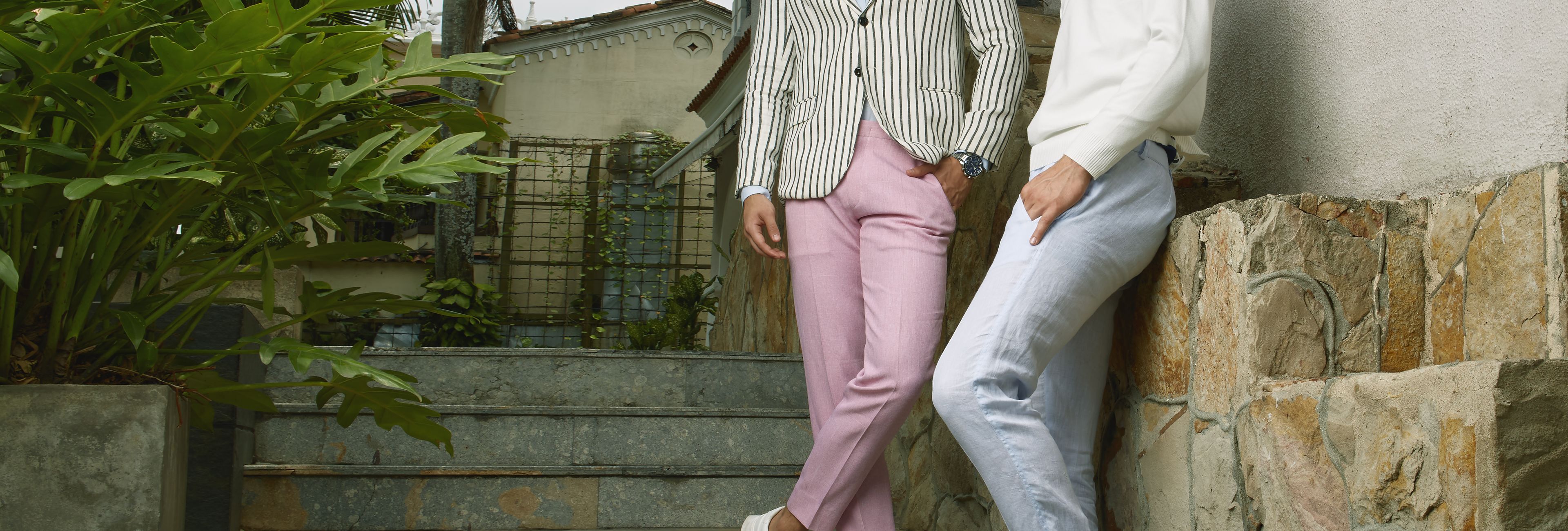
The strategic use of patterns is also vital in the old money aesthetic, with a preference for traditional motifs such as stripes, checks, and herringbone. A subtle pinstripe on a suit or a discreet windowpane check on a sport coat adds a level of complexity to the look without becoming distracting. The scale of the pattern should be conservative, avoiding oversized prints that draw too much attention. When wearing patterns, it is important to keep the rest of the outfit simple to avoid clashing. For instance, if you are wearing a herringbone jacket, the trousers should be a solid color to provide a visual anchor. This balance ensures that the wearer looks polished and intentional, reinforcing the idea that their style is a reflection of their refined taste rather than a desire to be noticed.
Grooming and Accessories for the Complete Look
No amount of expensive clothing can compensate for poor grooming, and in the old money aesthetic, personal maintenance is just as important as the wardrobe. The goal is a look of effortless cleanliness and health. This means a well maintained haircut that is classic and timeless, avoiding extreme fades or trendy styles that will look dated in a few years. A clean shave or a neatly trimmed beard is essential, as unkempt facial hair can make even the most expensive suit look sloppy. Skin care is also a priority, as a clear and hydrated complexion suggests a life of wellness and low stress, further contributing to the image of high status and quiet luxury.
Accessories should be minimal and high quality, serving as subtle accents rather than the focal point of the outfit. The most important accessory in the old money aesthetic is the timepiece. A classic analog watch with a leather strap or a stainless steel bracelet is preferred over a bulky digital watch or a flashy smart watch. The brand matters less than the design; a simple, elegant watch face suggests that the wearer values tradition and precision over trends. Jewelry should be kept to a minimum, perhaps a simple gold wedding band or a discreet signet ring. The idea is to avoid any jewelry that looks like it was bought to show off wealth, as true old money prefers the subtlety of a piece with sentimental or ancestral value.
Finally, the way one carries themselves is the ultimate accessory to the old money aesthetic. Poise, confidence, and a calm demeanor are essential to pulling off this look. The aesthetic is not just about the clothes but about the aura of someone who is comfortable in their own skin and secure in their position in the world. This means maintaining good posture, speaking with clarity and moderation, and treating others with a polite but distant courtesy. When the external style is matched with an internal sense of composure, the old money aesthetic becomes more than just a fashion choice; it becomes a comprehensive identity that commands respect and projects an image of timeless sophistication and enduring success.