Solo Female Travel Safety Tips: Stay Safe Anywhere in 2026
Essential safety strategies for solo female travelers. From choosing destinations to handling emergencies, master everything you need to travel alone with confidence and security.
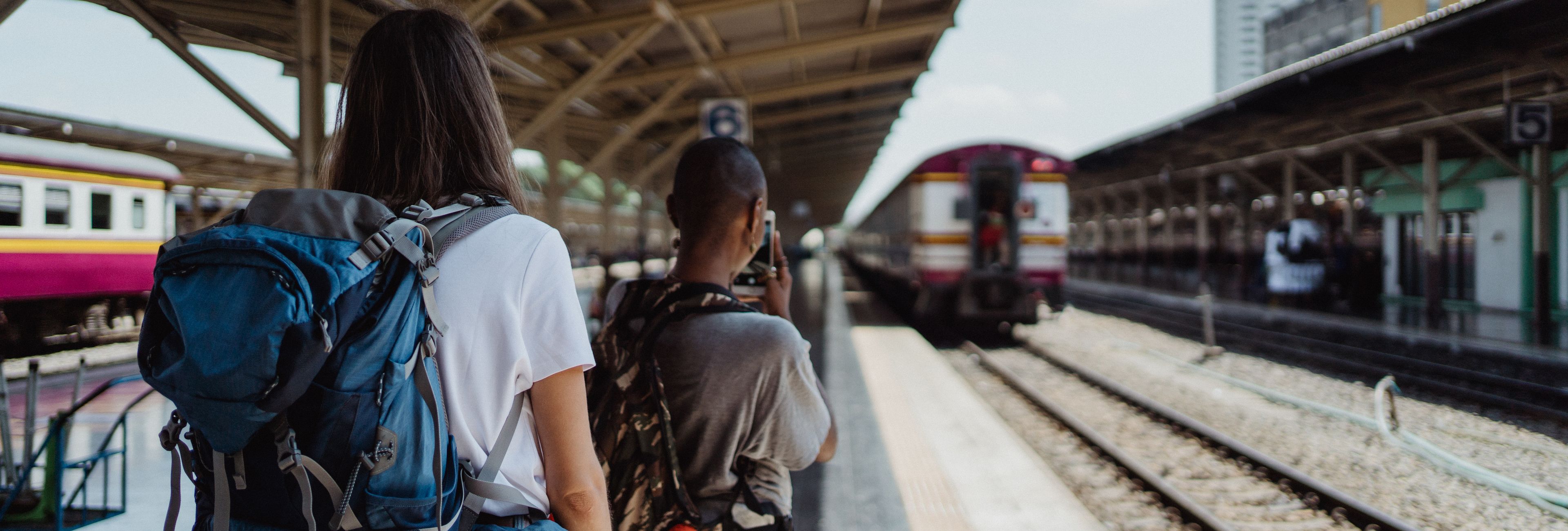
Planning and Preparation for Solo Female Travel Safety
Successful solo female travel begins long before you board your first flight. Thorough preparation reduces risks significantly and builds the foundation for a safe, enjoyable journey. Research your intended destination extensively, focusing on current political stability, local customs, and areas that may present challenges for women traveling alone. Government travel advisory websites provide reliable information about safety conditions, health concerns, and any travel warnings specific to female visitors.
Understanding the cultural landscape of your destination proves particularly important for solo female travelers. In some countries, a woman traveling alone raises eyebrows or attracts unwanted attention simply due to cultural norms. Research appropriate dress codes, social behaviors, and gender dynamics that may affect your daily interactions. Countries with more conservative cultures often have unwritten rules about female behavior that, while not officially mandated, can influence how safe you feel and how you are treated by locals.
Creating a detailed itinerary serves multiple safety purposes. Share your complete travel schedule with trusted family members or friends, including accommodation bookings, transportation confirmations, and planned activities. Register your trip with your country's embassy or consulate if you plan to visit for an extended period, as this expedites assistance in emergencies. Keep digital copies of all important documents, including passport, insurance policies, and emergency contact information, stored securely in cloud storage that you can access from any device with internet connectivity.
Comprehensive travel insurance ranks among the most critical safety investments for solo female travelers. Policies should cover medical emergencies, evacuation, trip cancellation, and personal belongings. Pay particular attention to coverage that includes adventure activities if you plan to engage in hiking, snorkeling, or other recreational pursuits. Read the fine print regarding pre-existing medical conditions and ensure you understand the claims process before departure. The relatively small expense of quality travel insurance provides substantial peace of mind and financial protection against unforeseen circumstances.
Practical Safety Strategies for Solo Female Travelers on the Move
Transportation choices significantly impact your overall safety as a solo female traveler. When arriving in a new destination, arrange airport or station transfers in advance whenever possible. Pre-booked rides from reputable companies or official airport taxi services eliminate the stress and potential danger of negotiating with drivers in unfamiliar surroundings. Avoid accepting rides from strangers, regardless of how helpful or friendly they may appear, and never share your accommodation address publicly or with someone you just met.
Public transportation presents both advantages and challenges for women traveling alone. Trains and buses allow flexibility and often provide opportunities to interact with locals, but they also require vigilance. Choose seating arrangements strategically on trains and buses, positioning yourself near other passengers rather than isolated in empty compartments. On public transit systems in crowded cities, remain aware of your belongings and personal space, particularly during peak hours when pickpocketing and grab-and-run incidents increase.
Walking alone requires heightened awareness regardless of your destination. Research which neighborhoods are considered safe for walking and which areas should be avoided, particularly after dark. Download offline maps to your phone so you can navigate without constantly checking your device in public, which can make you a target for thieves. Trust your instincts when walking; if a particular route or area feels uncomfortable, deviate from your planned path even if it means adding extra time to your journey.
Night travel presents additional challenges that merit careful consideration. While adventurous solo female travelers sometimes need to move after dark, minimizing nighttime movement significantly reduces safety risks. Plan your daily schedule to complete essential transportation before dark when possible, and arrange for reliable night transportation when unavoidable. If you must be out after dark, avoid displaying expensive electronics, maintain confident body language, and consider utilizing rideshare services rather than walking or using public transit.
Accommodation Safety and Lodging Choices for Women Traveling Alone
Selecting appropriate accommodation forms a cornerstone of solo female travel safety. Hotels with female staff or properties specifically marketed toward women travelers offer additional peace of mind, though quality options exist across all accommodation categories. Research neighborhood safety thoroughly before booking, focusing on proximity to main thoroughfares, public transportation, and areas with active nightlife that may become problematic late at night.
When checking into accommodation, take practical precautions immediately upon arrival. Locate emergency exits, fire escapes, and your room's locking mechanisms during your first moments in the room. Test the deadbolt, chain lock, and any secondary security features your room offers. Request a room on an upper floor away from ground-level access points when possible, but avoid the highest floors where emergency evacuation becomes more difficult. Many hotels allow women traveling alone to request rooms near the elevator or on floors with security personnel.
Establish protocols for unexpected visitors to your room. Never open your door without verifying the visitor's identity thoroughly; legitimate hotel staff will wait patiently while you confirm their credentials by calling the front desk. Use the door chain when partially opening the door for any reason, and never admit someone claiming to be maintenance or security without independent verification. If someone attempts to enter claiming an emergency, contact reception immediately rather than opening the door.
Social spaces within accommodations require mindfulness as well. Hotel lobbies, hostels, and common areas can provide welcome opportunities to meet other travelers, but they also warrant cautious behavior. Avoid sharing specific room numbers or detailed personal plans with newly met acquaintances. When using shared facilities like kitchens or lounges, maintain awareness of who is present and trust your instincts if a situation feels uncomfortable. Many solo female travelers find that booking private rooms rather than dorm-style accommodations in hostels provides an appropriate balance of social opportunities and personal security.
Digital Safety and Communication Strategies for Solo Female Travelers
Modern solo female travel safety extends well beyond physical precautions into the digital realm. Protecting your digital presence prevents information theft, stalking, and various forms of cybercrime that can compromise your safety or identity. Begin by securing all your devices with strong, unique passwords and enable two-factor authentication wherever possible. Avoid public WiFi networks for sensitive activities like banking or accessing personal accounts, and consider investing in a reliable virtual private network service that encrypts your internet connection.
Social media practices require particular thoughtful consideration for solo female travelers. While sharing your experiences online provides connection with friends, family, and fellow travelers, oversharing creates genuine safety risks. Avoid posting your exact location in real-time, as this broadcasts your whereabouts to anyone following your updates. Wait until you have left a location before sharing photos or check-ins, ensuring you are no longer present when details become public. Review your privacy settings regularly and consider limiting your audience to confirmed friends rather than accepting broad public visibility.
Establishing reliable communication routines proves essential for both safety and peace of mind. Purchase a local SIM card or ensure your mobile plan includes international coverage for your destination. Check in with designated contacts according to a regular schedule, such as daily at a specific time, providing basic updates about your wellbeing and location. Establish emergency protocols with these contacts, including predetermined signals that indicate you need assistance and procedures they should follow if they cannot reach you.
Digital document management contributes to both convenience and security during solo female travel. Store digital copies of all essential documents, including passport identification pages, visas, travel insurance policies, credit cards, and emergency contact information. Use secure cloud storage services that require authentication to access, and consider password-protecting any folder containing sensitive documents. Having ready access to documentation expedites replacement processes if documents are lost or stolen, and provides crucial information for emergency responders if the need arises.
Building Confidence While Trusting Your Instincts on the Road
The psychological dimension of solo female travel safety deserves equal attention alongside practical precautions. Cultivating confident body language deters potential predators more effectively than any security device. Walk with purpose, make eye contact with people you pass, and project an air of certainty about your destination. Perpetrators targeting travelers often seek individuals who appear lost, confused, or vulnerable, so presenting confident self-assurance reduces your attractiveness as a target.
Trusting your instincts represents perhaps the most powerful safety tool available to solo female travelers. Your intuition has evolved to recognize danger signs that your conscious mind may not consciously register. If a situation, person, or place feels wrong in any way, remove yourself immediately regardless of how illogical your response may seem. Cultural sensitivity and politeness should never override your personal safety; it is perfectly acceptable to refuse requests, decline invitations, or simply walk away from any interaction that triggers discomfort.
Developing strategies for managing unwanted attention forms an important skill for solo female travelers. In some destinations, local men may approach foreign women with persistence that ranges from mildly annoying to genuinely threatening. Prepare responses for common scenarios, from polite deflection to firm refusal. A confident "No" accompanied by continued walking often suffices, while more persistent individuals may require direct confrontation or seeking assistance from nearby business owners, security personnel, or other women. Remember that you bear no responsibility for the behavior of others, and protecting yourself always takes priority over social politeness.
Connecting with other travelers and local women enriches the solo female travel experience while often enhancing safety. Seek out female-run tour operators, women-owned guesthouses, and local organizations that support women travelers. Online communities and forums dedicated to solo female travel provide invaluable pre-trip advice and real-time destination information from women currently visiting locations on your itinerary. These connections offer both friendship opportunities and practical safety benefits through shared knowledge and mutual awareness.
Solo female travel safety ultimately combines preparation, awareness, practical precautions, and inner confidence. Every woman who travels alone contributes to a growing collective wisdom that makes the world more accessible for those who follow. By prioritizing your safety without sacrificing adventure, by remaining vigilant without becoming paranoid, and by trusting yourself while remaining open to genuine connection, you unlock the transformative power of independent travel. The strategies outlined here provide a foundation, but your personal comfort and confidence remain the ultimate arbiters of appropriate behavior in any situation you encounter.
Solo female travel safety tips evolve continuously as destinations change, new challenges emerge, and the global travel landscape shifts. Remaining adaptable, continuing to learn from your experiences and those of fellow travelers, and prioritizing your wellbeing above all else ensures that your solo adventures remain empowering journeys of discovery rather than cautionary tales. Step confidently into your next solo adventure, equipped with knowledge and prepared for whatever extraordinary experiences await.